Meet a Member: Trent Nole, Water Environment Federation
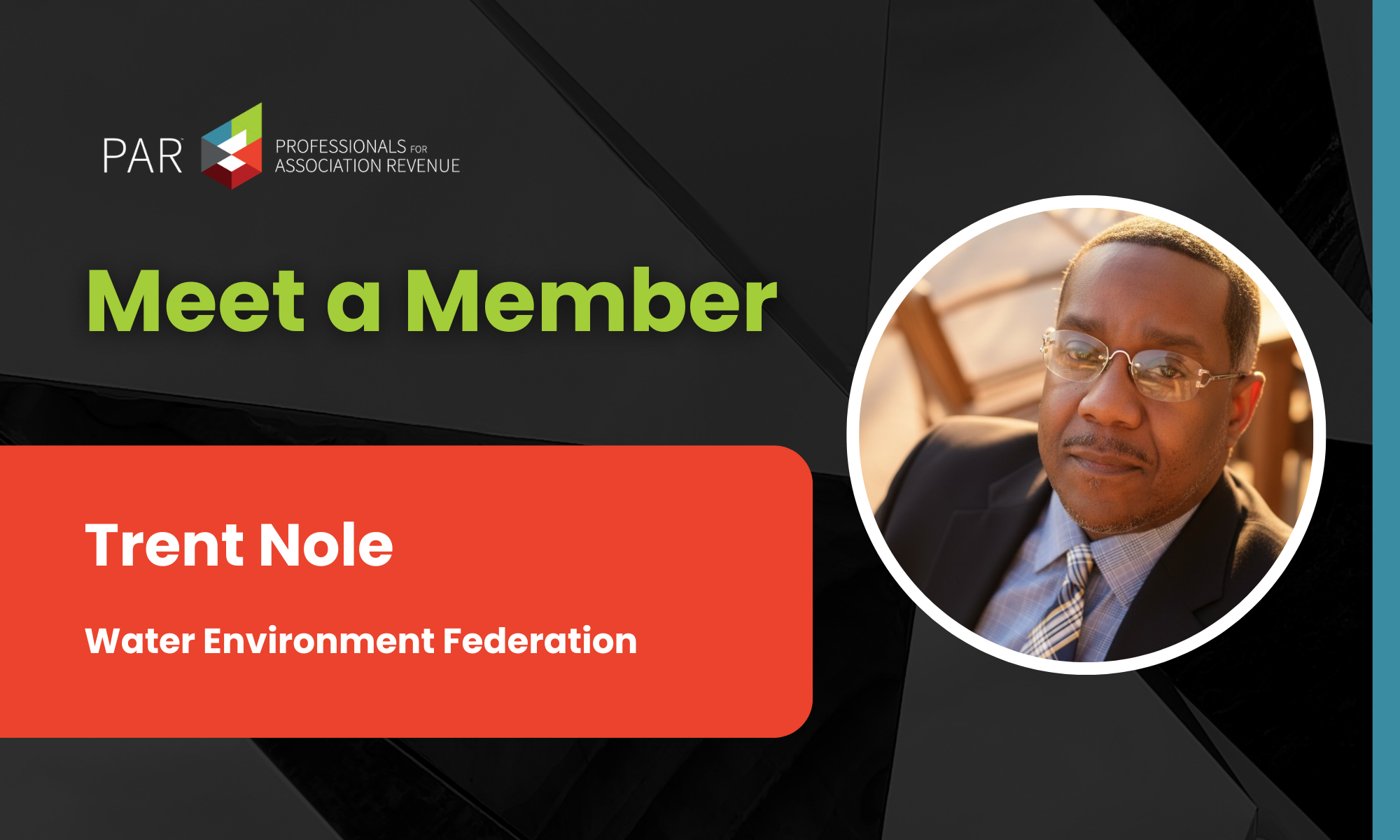 By Kathryn Deen, PAR
Trent Nole is an account executive for new business development at the Water Environment Federation, a technical and educational nonprofit based in Alexandria, Virginia, that represents water quality professionals around the world. He joined PAR in 2025 and is a member of PAR’s 2026 Accelerator Group for Sales Practitioners. Here, Nole shares his highly consultative, client-first approach to driving sustained revenue growth, including the key questions he asks that disrupt the status quo.
Burning Questions
PAR: What’s a recent project or initiative you're especially proud of?
Nole: One initiative I’m especially proud of is how I’ve been able to significantly enhance value among several top-tier partners by taking a highly consultative, client-first approach. Rather than leading with predefined sponsorship packages, I focus on deeply understanding each client’s goals, priorities, and long-term vision.
A question I often ask is, “If you could do anything you wanted as a sponsor, what would that look like?” That conversation opens the door to more strategic, customized solutions. From there, I work closely with clients to design tailored sponsorship and media packages that align as closely as possible with their ideal outcomes and will ultimately be of interest to water professionals and WEF members.
The results have been extremely positive in terms of revenue growth and relationship strength. Clients have shared feedback like, “You really listened,” and, “It’s nice to be heard,” which reinforces the value of this approach. Ultimately, it has helped build deeper trust, strengthen long-term partnerships, and drive meaningful, sustained revenue growth.
PAR: What’s in your secret sauce for success?
Nole: 1 cup of listening, 1 cup of creativity, and 1 cup of taking risks. My approach to growth and partnership development is rooted in a simple philosophy: The best opportunities don’t come from selling harder — they come from understanding better, thinking differently, and being willing to challenge the status quo.
1 cup of listening: Listening is the foundation of everything I do, but it goes beyond just hearing what a client says — it’s about uncovering what they really need, even when it’s not explicitly stated. Many organizations are used to being presented with prepackaged sponsorship options. I intentionally disrupt that by starting with open-ended, strategic questions like, “If you could design the ideal sponsorship experience, what would it look like?”
This approach often reveals gaps between what clients have historically invested in and what they actually want to achieve — whether that’s brand positioning, lead generation, thought leadership, or deeper industry integration. By actively listening and reflecting those insights back to them, I position myself as a partner in solving their business challenges. That shift builds trust quickly and opens the door to more meaningful, higher-value opportunities that are mutually beneficial.
1 cup of creativity: Once I understand the vision, creativity becomes the bridge between idea and execution. I don’t view sponsorships as static inventory — I see them as flexible platforms that can be shaped into something unique and impactful.
For example, instead of recommending a standard sponsorship package, I might combine elements across events, media, and digital channels to create an integrated campaign that extends well beyond a single touchpoint. This could include aligning a client’s presence at WEFTEC (WEF’s Technical Exhibition and Conference) with targeted media placements, thought leadership opportunities, and on-site activations that reinforce their brand story.
Creativity also means finding ways to say “yes” within organizational constraints, working cross-functionally to align internal teams and develop solutions that are innovative and executable. This not only differentiates WEF as a global federation serving water professionals but also demonstrates to clients that we are invested in bringing their ideas to life.
1 cup of taking risks: True growth doesn’t happen without a willingness to take calculated risks. This can mean proposing a new sponsorship concept that hasn’t been done before, rethinking pricing structures to better align with value, or encouraging a client to invest in a more ambitious strategy than they initially considered.
Rapid-Fire Q&A
Get to know Nole better with these quick-hitting questions and answers.
What your job entails?
Adding new clients and serving existing clients.
What your family thinks you do?
They think I still sell trade show booths.
Favorite thing about working in associations?
Being a small part of something so big.
Something about yourself that your colleagues don’t know?
I grew up with a speech impediment.
Mantra, favorite quote, or motivational motto?
“Good is the enemy of great.”
Best advice for a new association professional?
Be 100% you.
Best advice for a seasoned association professional?
Professional development never ends.
Favorite use of AI?
Summarizing meetings.
Podcast that inspires you most?
“Sales Gravy” with Jeb Blount.
Book that most impacted your thinking and personal development?
“Good is the Enemy of Great” by Kurt Reece-Peeplez.
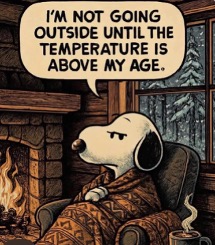
Favorite recent meme?
Favorite experience with PAR?
Attending RevUP 2025.
What you get out of PAR?
Friendships with like-minded people.
Taking risks also applies internally — advocating for new ideas, challenging traditional approaches, and pushing for innovation even when it requires navigating ambiguity. Not every idea will land perfectly, but the willingness to experiment is what leads to breakthrough opportunities and long-term growth.
In many cases, the biggest wins have come from moments where I’ve stepped outside of the expected path, whether that’s introducing a completely new activation concept or reshaping a partnership into something more strategic and multidimensional.
Bringing it all together: The real impact comes from how these three elements work together. Listening uncovers the opportunity, creativity designs the solution, and risk-taking brings it to life. The result is a more consultative, partnership-driven approach that increases revenue but more importantly strengthens relationships and positions WEF as a forward-thinking, solutions-oriented organization.
PAR: What is your association’s revenue superpower?
Nole: Our people all working together toward a common cause.
Our greatest competitive advantage isn’t a single product, event, or revenue stream — it’s our people and the way we are aligned around a shared mission. In an association environment, where value is built on trust, community, and purpose, revenue growth is ultimately a byproduct of how well your teams collaborate to deliver meaningful impact.
What makes this a true “superpower” is that it’s not just about having talented individuals — it’s about how those individuals work together across functions to create a seamless, value-driven experience for our members and partners.
Our revenue superpower isn’t just collaboration — it’s intentional, mission-driven alignment. It’s the ability to bring together diverse expertise, rally around a common goal, and deliver solutions that no single team could create alone.
In a competitive landscape, products and offerings can be replicated. But a culture where people are genuinely connected, aligned, and committed to a shared purpose — that’s much harder to duplicate, and that’s what ultimately drives sustainable revenue growth.