TSSNG – From Selling Space to Building the Case
Article by: Margaret Launzel-Pennes
This article is published through PARtnership with the Trade Show Sales Networking Group, a network of experienced event professionals who meet bi-weekly to share ideas. The group was founded and is led by PAR Leadership Advisory Board Member, Dan Cole. To learn more, contact Dan Cole.
From Selling Space to Making the Case
Trade show sales is moving beyond the transaction.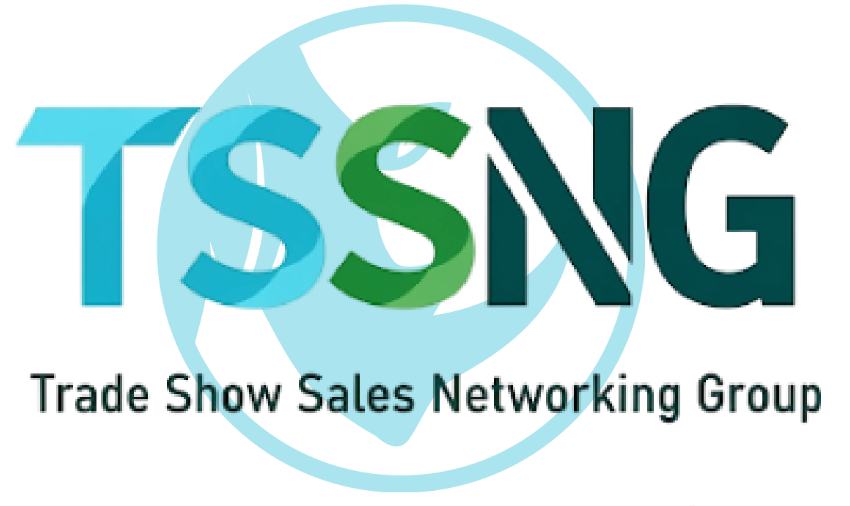
This issue looks at the commercial shifts shaping the revenue conversation now: sponsorship growth, exhibit pricing, destination cost pressure, audience quality, activation strategy, media value, launch-show momentum, and the support exhibitors need to participate with more confidence.
The floor still matters. The package still matters. The audience still matters. What is changing is how those elements are sold, measured, and renewed. Exhibitors want clearer value, organizers need sharper proof, and sales teams are increasingly helping clients understand how to turn participation into performance.
The throughline is practical growth: knowing where the opportunity is, where the pressure is building, and how to help exhibitors make the investment work.
The sponsorship conversation is becoming more interesting because the inventory is becoming more interesting.
For years, sponsorship was often built around visibility: logo placement, signage, lanyards, banners, email inclusions, bag inserts, and whatever could be added to a prospectus without disrupting the show. Those opportunities still have a place. Visibility has value. Familiar assets still sell.
The larger growth opportunity is coming from sponsorships that are built into the experience itself.
When a show creates a smart workplace, a podcast studio, a live content environment, a retail activation, a keynote platform, or a floor feature tied to how attendees actually move through the event, sponsorship stops feeling like a label and starts taking on a real job. The sponsor becomes part of something useful inside the event. That changes the sales conversation.
A designed experience gives the buyer more to understand, more to align with, and more to take back internally. It can support thought leadership, category leadership, product demonstration, customer engagement, media exposure, or private conversation. It can also create a clearer story after the show because there is something tangible to photograph, measure, recap, and renew.
This matters as exhibit space faces more complicated growth dynamics. Floor space remains essential, and sponsorship can expand in more flexible ways when it is tied to content, community, media, and attendee behavior. A show may have limited room to keep adding square footage at the same pace every year. It can still create new commercial value by designing experiences that serve the audience and give sponsors a more meaningful role. The discipline is in making sure those experiences are real.
A sponsorable activation should answer practical questions before it reaches the sales sheet. What does this add to the event? Who will use it? Why would attendees care? What business objective does it support for the sponsor? How will the organizer show that it worked? The best opportunities sit where those answers overlap.
A podcast studio can give media partners, exhibitors, and thought leaders a reason to create content onsite. A live demo environment can help attendees understand a category more clearly. A keynote platform can elevate industry conversation while creating premium sponsor alignment. A show-floor activation can give a sponsor presence that feels connected to the attendee journey.
That is where sponsorship becomes more useful for everyone involved.
It also gives sales teams better material to work with. A flat list of benefits can only do so much. A well-documented activation gives the team a stronger story: what it looked like, how people used it, who engaged, what the sponsor gained, and how the concept can evolve next year.
Sponsorship growth will come from experiences that are useful enough for attendees, specific enough for sponsors, and clear enough for sales teams to explain without overworking the pitch. That means building opportunities with the end result in mind: what the attendee gains, what the sponsor can credibly own, what the sales team can prove, and what gives the client a reason to come back stronger next year.