AI-Powered Sponsorship Sales: Driving Revenue Through Intelligent Automation
 By Kathryn Deen, PAR
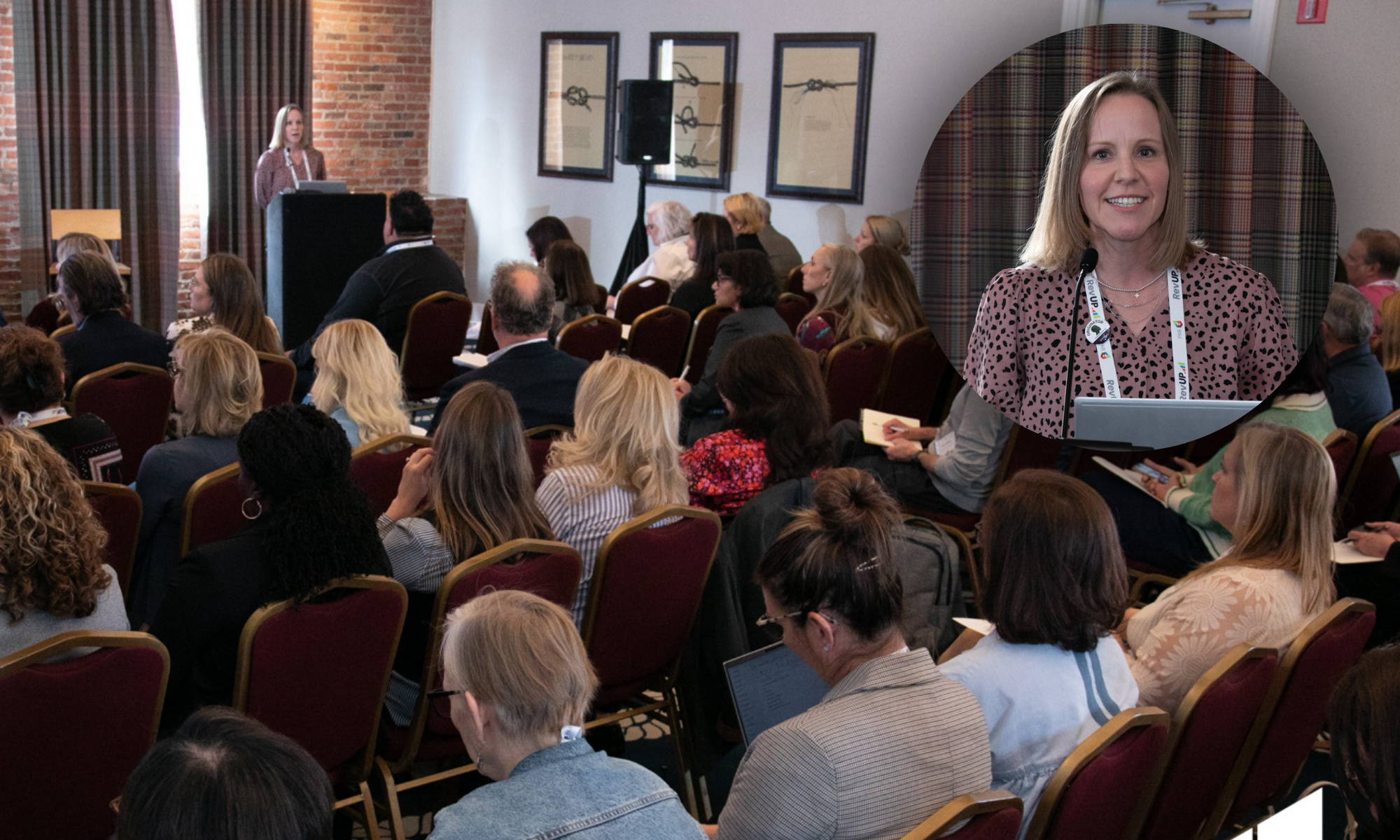
Association sales teams are under pressure to grow sponsorship revenue with fewer resources. In her RevUP 2025 session, “AI-Powered Sponsorship Sales: Driving Revenue Through Intelligent Automation,” Amy Michalski shared how she transformed sponsorship sales at the Association of Intelligent Information Management by integrating artificial intelligence and automation into her daily workflow.
As chief business development officer for AIIM, Michalski leads revenue generation for a small team responsible for 70% of the association’s nearly $2-million revenue while also overseeing marketing. Faced with limited staff and increasing program demands, she turned to AI to streamline administrative tasks and focus more on relationships and strategy.
Her solution is a practical, five-step AI-enabled sales process that allows her to prospect, personalize outreach, develop proposals, and manage follow-ups quickly — while preserving the human element that sponsorship sales requires.
Why AI Matters for Association Sales
For Michalski, the goal of AI is not replacing salespeople but freeing them from repetitive tasks. Associations depend heavily on relationship-driven revenue streams like sponsorships, yet many sales teams spend large portions of their time on administrative work.
“We really want AI to help us create this content and automate,” she says. We want to spend our time with relationships with our customers and being strategic.”
By reducing time spent writing emails, compiling lists, drafting proposals, and tracking follow-ups, sales professionals can focus on consultative selling — learning sponsor objectives and aligning programs to their needs.
Michalski’s 5-Step AI Sales Workflow
1. Automate the basics first.
Before layering AI into sales workflows, Michalski recommends ensuring foundational systems are in place.
At AIIM, she uses HubSpot to track visits to sponsorship pages, automatically email new prospects, send scheduling links, and create deal reminders and follow-up tasks.
These automations remove friction from early-stage lead engagement and prevent missed opportunities.
Tips
- Add a meeting scheduling link to every outreach email.
- Trigger automated follow-up emails when someone views sponsorship pages.
2. Use AI for smart prospecting.
Michalski uses AI tools like Claude and ChatGPT to identify potential sponsors by analyzing existing CRM contacts, current members, industry trends, and past sponsorship activity.
By uploading CRM data and contextual information about upcoming events, she prompts AI to generate lists of high-potential sponsors. This allows her to quickly identify existing partners likely to sponsor again and new companies that are aligned with the event theme.
Tip
- Feed AI multiple sources of context:
-
- Your sponsorship calendar
- Event descriptions
- CRM export of past sponsors
The richer the context, the better the prospect list.
3. Generate personalized outreach emails.
Once prospects are identified, Michalski uses AI to draft concise outreach messages tailored to each company.
She recommends keeping emails short and conversational while highlighting why the sponsorship opportunity is relevant. AI helps quickly produce drafts that can then be lightly customized before sending.
Tip
- Use prompts like:
-
- “Write a short, casual but professional email inviting this company to sponsor…”
- “Include why their solution aligns with the audience.”
The goal is speed with authenticity.
4. Turn meeting transcripts into sponsorship proposals.
Michalski records most sponsor meetings and copies the transcript into AI tools. She then prompts the system to create a tailored proposal using sponsor objectives, target audience, budget hints, and program alignment.
AI drafts detailed proposals including recommended packages, messaging, and next steps within minutes.
“This is where the gold is and where you're going to make a lot of money and save time,” she says.
Tip
- Always ask sponsors these questions during discovery calls:
-
- What are your marketing objectives?
- What audience are you targeting?
- What does success look like?
- What timeline or budget are you considering?
These answers give AI the inputs needed to create powerful proposals.
5. Automate follow-ups and relationship management.
Follow-up is often the most time-consuming part of sponsorship sales. Michalski uses CRM reminders and automated tracking to ensure no opportunity slips through the cracks.
While some follow-ups can be automated, she prefers sending personalized messages herself while relying on AI to draft them. “I call myself a professional nagger because that's what I feel like I'm doing to get their attention,” she jokes.
Consistent follow-up dramatically improves close rates.
Tip
- Create a structured follow-up cadence:
-
- Day 3: Proposal check-in
- Day 7: Additional resource or idea
- Day 14: Final follow-up
Results: Maintaining Revenue with a Smaller Team
Michalski emphasizes that the ultimate benefit of AI is strategic capacity. Despite staff reductions, her association has not decreased its sponsorship revenue and has even improved results.
“I was able to maintain my sponsorship revenue with just me,” she says.
By reducing administrative workload, she now spends more time developing new sponsorship products, building deeper sponsor relationships, and thinking strategically about program growth.
Getting Started with AI in Sponsorship Sales
Michalski recommends a phased approach:
- Week 1: Create email templates and CRM automation.
- Week 2: Start using AI for outreach emails.
- Week 3: Test AI-generated proposals.
- Week 4: Expand automation and track results.
Even small changes can significantly reduce your workload.
AI is rapidly becoming an essential tool for association sales teams — not as a replacement for human relationship-building, but as a productivity engine.
Michalski’s experience shows that when administrative tasks shrink, sales professionals can focus on what they do best: understanding sponsor goals and delivering meaningful partnerships. As she sums up the transformation, “It's all about saving time.”